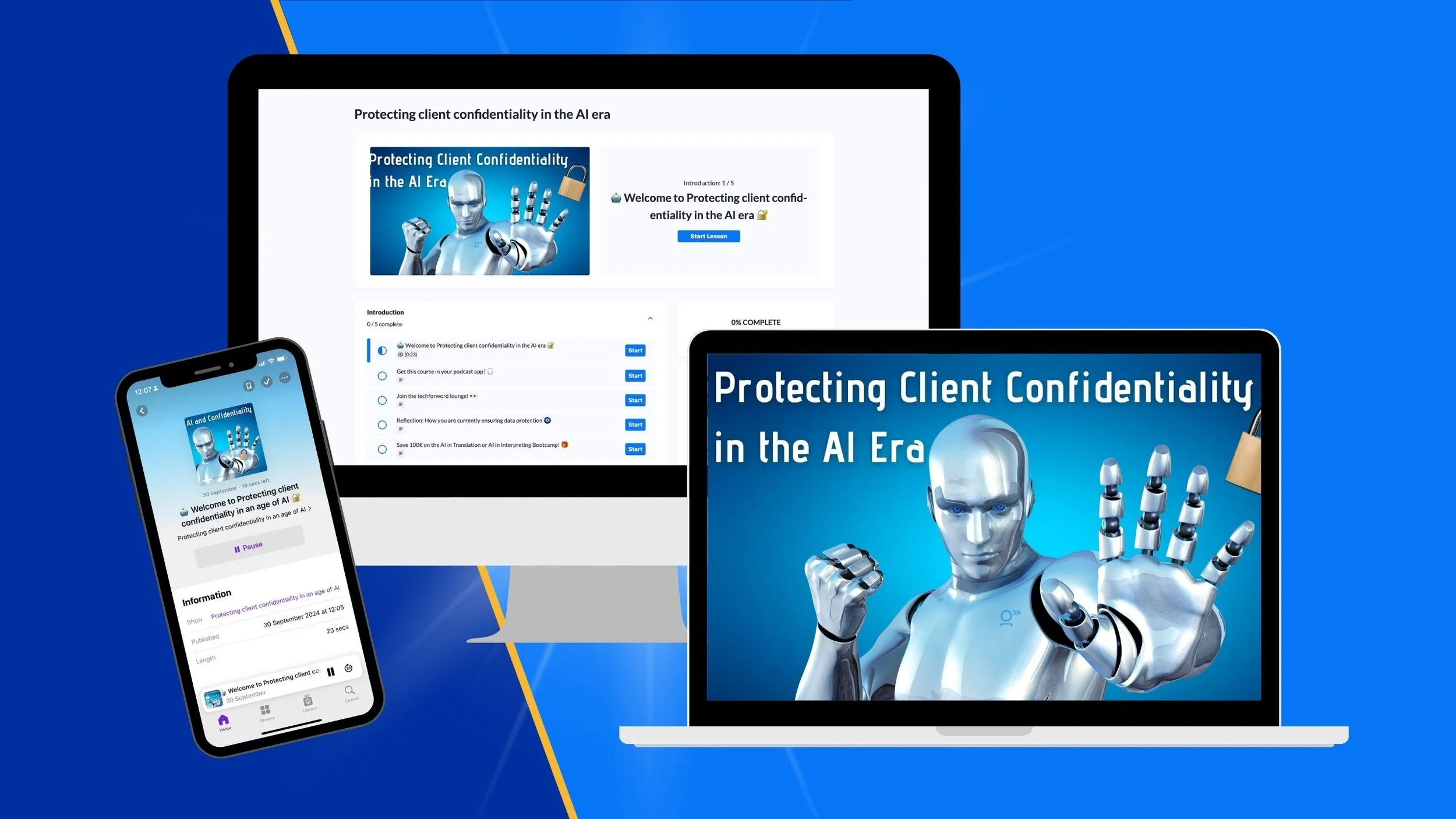
In today’s digitally-driven legal environment, protecting client confidentiality online is more critical than ever. With sensitive information constantly transmitted and stored across digital platforms, law firms and legal professionals face increasing challenges to safeguard privileged communications from cyber threats and unauthorized access. Upholding confidentiality is not only an ethical obligation but a foundational pillar of trust between attorneys and clients.
This comprehensive article explores best practices, technologies, and legal requirements essential for ensuring client confidentiality in the online sphere.
Why Client Confidentiality Matters in the Digital Age
The attorney-client privilege is one of the most sacred principles in the legal profession. Breaches of confidentiality can result in:
- Loss of client trust and reputation damage
- Legal malpractice claims and disciplinary action
- Potential harm to clients if sensitive data is exposed
As cybercriminals deploy more sophisticated attacks, protecting digital communications, documents, and data has become a top priority for law firms of all sizes.
Key Risks to Client Confidentiality Online
Before discussing solutions, it is important to recognize the main vulnerabilities:
- Phishing and Social Engineering Attacks: Targeted attempts to trick lawyers or staff into revealing passwords or confidential info.
- Insecure Communication Channels: Using unencrypted email or messaging platforms exposes client data to interception.
- Weak Passwords and Access Controls: Poor authentication practices allow unauthorized system access.
- Data Breaches and Malware: Ransomware, spyware, and hacking can compromise client files.
- Cloud Storage Risks: Improperly secured cloud environments may leak sensitive data.
- Public Wi-Fi and Remote Work Exposure: Unprotected networks increase interception risks.
Best Practices for Protecting Client Confidentiality Online
1. Use Secure Communication Tools
- Employ end-to-end encrypted email services and messaging apps.
- Avoid transmitting sensitive client information via standard email unless encrypted.
- Consider secure client portals for document sharing and communication.
2. Implement Strong Access Controls
- Use multi-factor authentication (MFA) on all accounts.
- Enforce strong, unique passwords updated regularly.
- Limit access privileges strictly to authorized personnel.
3. Encrypt Sensitive Data
- Encrypt data both in transit and at rest using robust encryption protocols.
- Use Virtual Private Networks (VPNs) for secure remote access.
- Encrypt laptops, mobile devices, and external drives storing client data.
4. Conduct Regular Cybersecurity Training
- Train attorneys and staff to recognize phishing and social engineering tactics.
- Promote awareness of data handling policies and procedures.
- Provide clear guidelines for remote work security.
5. Maintain Updated Security Software
- Use reputable antivirus, anti-malware, and firewall solutions.
- Keep software, operating systems, and applications patched with latest updates.
- Monitor networks for suspicious activity continuously.
6. Establish Clear Confidentiality Policies
- Draft and enforce policies covering digital communication, document handling, and device usage.
- Include protocols for incident reporting and breach response.
- Ensure all employees sign confidentiality agreements.
Leveraging Technology to Enhance Confidentiality
Secure Cloud Services
Reputable cloud providers offer enterprise-grade security features such as:
- Data encryption and secure key management
- Compliance with legal standards (e.g., HIPAA, GDPR)
- Regular security audits and certifications
Selecting cloud solutions tailored for legal professionals ensures compliance and reduces risk.
Case Management Software with Security Focus
Legal-specific case management platforms often integrate:
- Secure client portals
- Encrypted file storage
- Audit trails and user access logs
These tools centralize information while safeguarding confidentiality.
Legal and Ethical Obligations
Legal professionals must comply with regulations such as:
- The American Bar Association (ABA) Model Rule 1.6 on confidentiality
- State bar association guidelines on cybersecurity
- Data protection laws like GDPR or CCPA if applicable
Failing to uphold these standards can result in disciplinary action and civil liability.
Responding to Confidentiality Breaches
In the event of a suspected breach:
- Act swiftly to contain and investigate the incident.
- Notify affected clients as required by law and ethical standards.
- Engage cybersecurity experts to remediate vulnerabilities.
- Review and update security protocols to prevent recurrence.
Proactive response and transparency help mitigate damage and preserve client trust.
Conclusion
Protecting client confidentiality online requires a multifaceted approach combining technology, policy, training, and legal compliance. By adopting rigorous security measures and fostering a culture of vigilance, law firms can uphold their ethical duty and safeguard the sensitive information entrusted to them.