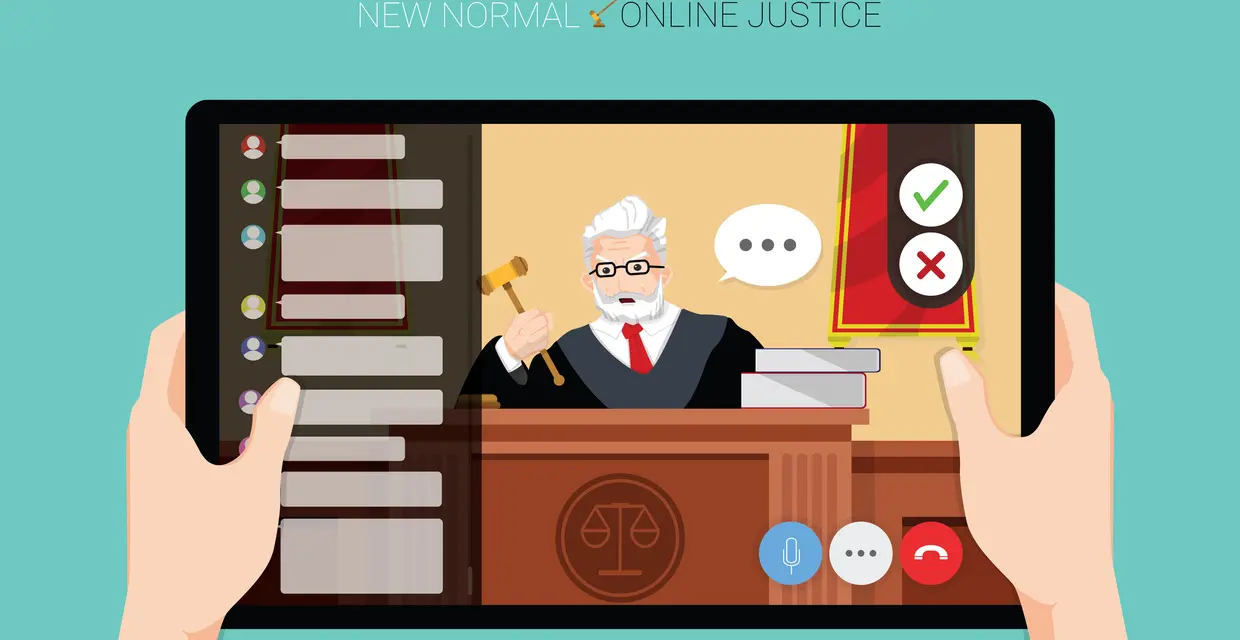
The rise of technology has transformed many facets of the legal system, with virtual court hearings becoming an increasingly common feature. Accelerated by the global pandemic and sustained by ongoing digital innovation, virtual hearings are reshaping how justice is administered. For legal professionals, litigants, and the public, understanding what to expect from virtual court hearings is essential to navigate this evolving landscape successfully.
This comprehensive article outlines the key aspects of virtual court hearings, offering insights into the process, technical requirements, etiquette, benefits, and challenges.
What Are Virtual Court Hearings?
Virtual court hearings, also known as remote or online court hearings, involve conducting judicial proceedings through video conferencing technology rather than traditional in-person appearances. These hearings can encompass a wide range of case types, including criminal, civil, family, and administrative law matters.
The goal of virtual hearings is to ensure continuity of court operations while providing safety, convenience, and accessibility for all parties involved.
How Virtual Court Hearings Work
Virtual hearings generally take place on secure, court-approved platforms such as Zoom for Government, Microsoft Teams, or Webex. Here’s a typical flow of what to expect:
- Scheduling and Notification: Courts provide advance notice detailing the date, time, and digital platform details. Instructions often include login links, meeting IDs, and passwords.
- Pre-Hearing Preparation: Participants should test their devices, internet connections, cameras, microphones, and relevant software to avoid technical disruptions.
- Virtual Check-In: Much like arriving at a physical courthouse, parties may be required to check in virtually before the hearing to confirm identity and readiness.
- Hearing Conduct: The judge presides over the hearing remotely, with attorneys, parties, witnesses, and court staff appearing via video. Courtroom decorum and procedural rules apply similarly.
- Post-Hearing Procedures: Outcomes, orders, and filings are typically shared electronically. Some courts offer virtual access to transcripts and recordings.
Technical Requirements and Best Practices
To participate effectively in virtual court hearings, ensuring the right technical setup is crucial:
- Stable Internet Connection: A wired or high-speed Wi-Fi connection reduces lag and disruptions.
- Quality Audio and Video Equipment: Use a good microphone and webcam; test both before the hearing.
- Quiet, Professional Environment: Choose a distraction-free space with neutral backgrounds and adequate lighting.
- Familiarity with the Platform: Spend time learning the features such as mute/unmute, screen sharing, and chat functions.
- Backup Plans: Have a phone available for audio-only participation or in case of technical failure.
Virtual Courtroom Etiquette
Maintaining professionalism is key to making a positive impression in virtual court hearings. Here are important etiquette tips:
- Dress Appropriately: Courtroom attire standards apply—business formal or business casual.
- Arrive Early: Log in 10-15 minutes ahead to resolve any last-minute issues.
- Mute When Not Speaking: Prevent background noise distractions.
- Speak Clearly and Pause for Responses: Allow for possible audio delays.
- Avoid Interruptions: Use virtual hand-raise features or wait for your turn.
- Do Not Use Virtual Backgrounds: Unless permitted, as they can be distracting or unprofessional.
Advantages of Virtual Court Hearings
Virtual hearings offer numerous benefits that enhance judicial efficiency and access to justice:
- Increased Accessibility: Parties and witnesses can attend from anywhere, reducing travel time and costs.
- Safety: Limits physical contact, crucial during public health crises.
- Efficiency: Reduces delays caused by transportation or scheduling conflicts.
- Flexibility: Easier scheduling for all participants.
- Cost Savings: Cuts down on expenses related to travel, security, and facilities.
Challenges and Considerations
Despite their advantages, virtual court hearings pose some challenges:
- Technical Difficulties: Connectivity issues or unfamiliarity with technology can disrupt proceedings.
- Privacy and Security: Ensuring confidential communications and protecting sensitive data is critical.
- Perception and Fairness: Some worry virtual hearings may impact the ability to read nonverbal cues or create barriers for those with limited tech access.
- Limited Personal Interaction: The absence of in-person dynamics can affect communication and rapport-building.
Courts continue to refine policies and invest in training to mitigate these issues.
How to Prepare for Your Virtual Court Hearing
- Review Court Instructions Carefully: Understand procedural requirements and deadlines.
- Conduct a Technology Trial Run: Practice joining the virtual platform with an assistant or colleague.
- Gather and Organize Documents: Have all exhibits, evidence, and notes ready and accessible.
- Coordinate with Witnesses: Ensure they know how to connect and participate.
- Maintain Professionalism: Treat the virtual courtroom with the same seriousness as a physical one.
The Future of Virtual Court Hearings
Virtual court hearings are poised to remain a vital component of the legal system. Hybrid models combining in-person and virtual elements are emerging, optimizing convenience without sacrificing procedural fairness.
Technological advances such as AI-powered transcription, virtual reality courtrooms, and enhanced security protocols will continue to evolve the virtual hearing experience.
Conclusion
Virtual court hearings represent a significant shift in judicial practice, balancing tradition with innovation. Understanding the process, preparing adequately, and following best practices ensure participants can navigate these hearings confidently and effectively.
By embracing virtual hearings, courts increase accessibility, reduce costs, and safeguard public health — while continuing to uphold justice in the digital age.