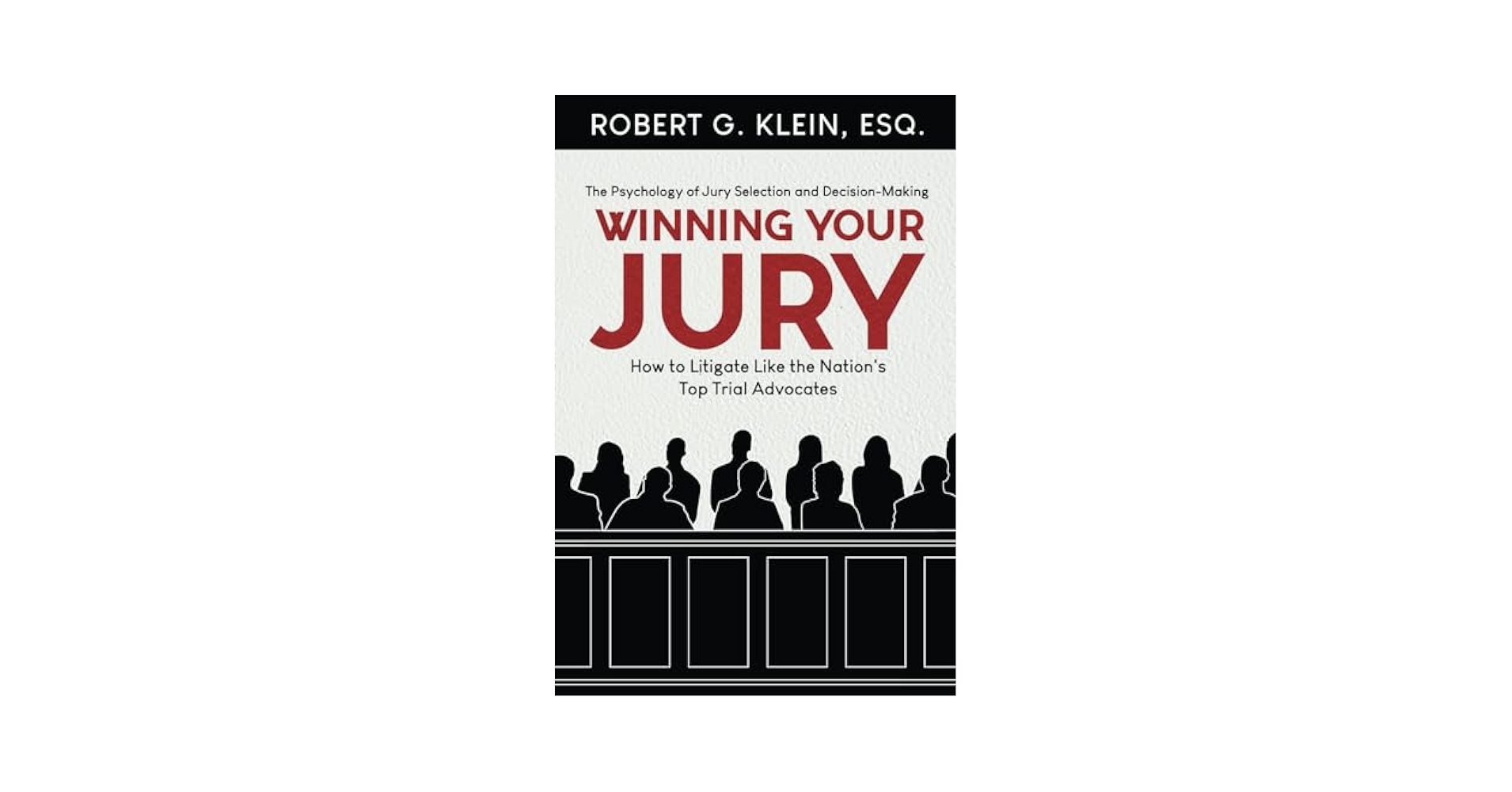
In the courtroom, facts matter — but so does perception. Trial attorneys understand that connecting with a jury is not just about evidence and legal arguments; it’s also about mastering the psychology behind human decision-making. Winning over a jury requires a deep understanding of how people think, process information, and respond emotionally.
In this comprehensive guide, we explore powerful and practical psychology tips for persuading a jury, helping trial lawyers refine their courtroom strategy and increase their chances of securing a favorable verdict.
1. Build Credibility from the Start
Why It Matters:
Jurors form strong first impressions during opening statements and early witness questioning. If they don’t trust you, they won’t trust your case.
Psychological Principle:
The Halo Effect — Jurors tend to extend their initial perception of a person (positive or negative) to everything else they say or do.
Winning Tip:
- Dress professionally but not ostentatiously.
- Speak clearly, confidently, and respectfully.
- Be prepared and organized — it reflects competence.
- Avoid overpromising during opening arguments.
Credibility must be earned immediately and maintained consistently throughout the trial.
2. Tell a Compelling Story
Why It Matters:
Humans are hardwired to respond to narratives. Jurors will remember your story far more vividly than your legal analysis.
Psychological Principle:
Narrative Transportation Theory — Jurors immersed in a story are more likely to accept the arguments within it.
Winning Tip:
- Frame your client’s case as a clear, emotionally engaging story.
- Use a beginning-middle-end structure: set up the characters, conflict, and resolution.
- Incorporate sensory details and relatable themes (e.g., betrayal, justice, redemption).
A persuasive narrative makes your case real — not just legal.
3. Understand and Appeal to Juror Biases
Why It Matters:
Jurors bring personal experiences, attitudes, and biases into the courtroom. Ignoring them can be costly.
Psychological Principle:
Confirmation Bias — People tend to seek and interpret information that confirms their pre-existing beliefs.
Winning Tip:
- Use voir dire effectively to identify biases that could affect deliberation.
- During trial, subtly align your arguments with jurors’ values and worldviews.
- Avoid triggering resistance by acknowledging opposing views respectfully.
Rather than fighting biases, find ways to work with them — subtly and ethically.
4. Use Strategic Body Language
Why It Matters:
Nonverbal communication can enhance (or undermine) your spoken words. Jurors observe your demeanor closely.
Psychological Principle:
Mirror Neurons and Emotional Contagion — People subconsciously mirror emotions and attitudes they observe.
Winning Tip:
- Maintain steady eye contact with the jury when speaking.
- Avoid closed-off postures (e.g., crossed arms).
- Use purposeful hand gestures to emphasize key points.
- Project calm confidence, especially during cross-examination or objections.
Your body language should reinforce the credibility and confidence of your message.
5. Simplify Complex Information
Why It Matters:
Juries can get overwhelmed by technical jargon, legal nuance, or expert testimony. Confusion favors the other side.
Psychological Principle:
Cognitive Load Theory — When people are presented with too much information, their ability to process and retain it decreases.
Winning Tip:
- Break complex ideas into digestible parts.
- Use analogies, metaphors, and visuals to clarify points.
- Reiterate key arguments throughout the trial.
A confused jury is a lost jury. Make your case easy to understand and hard to forget.
6. Establish Emotional Resonance
Why It Matters:
Emotions influence decisions — even in courtrooms. Jurors who emotionally connect with your client are more likely to rule in their favor.
Psychological Principle:
Affective Heuristic — Emotions serve as shortcuts in decision-making, especially under uncertainty.
Winning Tip:
- Highlight your client’s humanity — their struggle, pain, or injustice.
- Use witness testimony to evoke empathy.
- Avoid manipulating emotions; strive for authenticity.
Winning jurors’ hearts is often the first step to winning their minds.
7. Reframe the Opposition’s Narrative
Why It Matters:
If you let the opposing counsel control the narrative, jurors may adopt their perspective as truth.
Psychological Principle:
Framing Effect — The way information is presented affects how it is interpreted.
Winning Tip:
- Identify the emotional undertones and assumptions in your opponent’s argument.
- Reframe their version of events with a fresh perspective that favors your client.
- Highlight inconsistencies or logical gaps.
Don’t just rebut the facts — reshape the lens through which those facts are viewed.
8. Leverage the Power of Repetition
Why It Matters:
Jurors are more likely to remember arguments they’ve heard multiple times. Repetition creates familiarity — and belief.
Psychological Principle:
Mere Exposure Effect — People tend to prefer what is familiar.
Winning Tip:
- Identify your core themes (e.g., “negligence,” “trust,” “broken promise”).
- Repeat them subtly in opening, witness examination, and closing.
- Reinforce with visuals, quotes, or rhetorical questions.
Repetition isn’t redundancy — it’s reinforcement. Drive your message home.
9. Master the Art of the Closing Argument
Why It Matters:
The closing argument is your last chance to unify your case, refute the opposition, and give jurors the tools to vote in your favor.
Psychological Principle:
Recency Effect — The most recent information is remembered most vividly.
Winning Tip:
- Summarize your narrative clearly and emotionally.
- Emphasize the verdict’s impact — on your client and on justice.
- Use direct appeals: “You have the power to right this wrong.”
The best closings are emotional, logical, and empowering.
10. Respect the Jury’s Intelligence and Role
Why It Matters:
Jurors want to feel respected and involved. Patronizing, talking down, or manipulating them can backfire.
Psychological Principle:
Reactance Theory — People resist when they feel their freedom or autonomy is threatened.
Winning Tip:
- Treat jurors as intelligent, reasonable people.
- Invite them to draw their own conclusions based on the evidence.
- Use inclusive language: “We,” “Together,” “You decide.”
Empowered jurors are more likely to champion your case.
Conclusion
Winning a jury trial isn’t just about legal brilliance — it’s about human connection, psychological insight, and strategic communication. From the first impression to the final word, everything you do in the courtroom shapes how jurors perceive your case.